
The phone call comes unexpectedly: your mother has been hospitalized after a fall. Or perhaps your father’s chronic condition has worsened, requiring a hospital stay. As he begins to recover, the hospital social worker mentions something you weren’t prepared for: “He’ll need more support than he had before. Have you considered assisted living?”
For many Middlesex County families, the hospital to assisted living transition happens suddenly, leaving little time to make what feels like an overwhelming decision. At Graceland Gardens in North Brunswick, we work closely with Robert Wood Johnson Hospital, St. Peter’s University Hospital, and Penn Medicine to help families navigate this critical transition smoothly and successfully.
This comprehensive guide will walk you through every step of the process, from those first conversations in the hospital to settling your loved one into their new home.
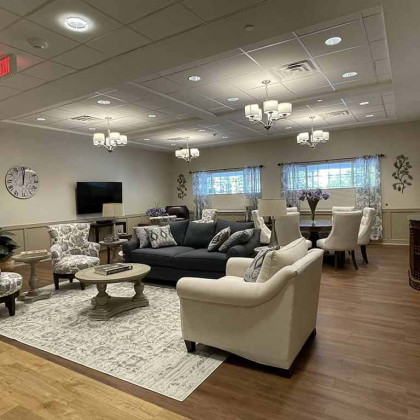
Understanding Why Hospital Discharge Often Leads to Assisted Living
The Reality of Post-Hospitalization Needs
A hospital stay—especially for seniors—often reveals care needs that weren’t apparent before. Common scenarios include:
- Falls or mobility issues that make independent living unsafe
- Medication management challenges following complex treatment regimens
- Cognitive changes that became noticeable during hospitalization
- Chronic condition management requiring regular nursing oversight
- Surgical recovery needing professional monitoring and physical therapy
- General deconditioning from hospital bed rest requiring rehabilitation support
According to healthcare professionals, approximately 40% of seniors experience functional decline during hospitalization, even when the medical issue is resolved. This decline often necessitates a higher level of care than was needed before.
When Returning Home Isn’t the Safest Option
It’s emotionally difficult to accept that your loved one can’t return home, but safety must be the priority. Warning signs that assisted living may be necessary include:
- Multiple hospital readmissions within a short period
- Inability to perform activities of daily living (bathing, dressing, medication management)
- Home environment hazards that contributed to the hospitalization
- Caregiver burnout among family members who were providing support
- Social isolation that led to missed medications or nutrition issues
- Complex medical needs requiring professional nursing oversight
The Hospital Discharge Process: What to Expect
Timeline and Key Players
Understanding who’s involved in the hospital to assisted living transition helps you navigate the process more effectively:
The Hospital Care Team:
- Attending Physician: Determines medical readiness for discharge
- Case Manager/Social Worker: Coordinates discharge planning and community resources
- Discharge Planner: Arranges post-hospital care and necessary equipment
- Physical/Occupational Therapists: Assess functional abilities and recommend support levels
- Pharmacist: Reviews and reconciles medications for discharge
Typical Timeline:
- 72 hours before discharge: Initial discharge planning conversations begin
- 48 hours before: Specific placement discussions and recommendations
- 24 hours before: Final arrangements and family education
- Day of discharge: Medication reconciliation, equipment delivery, transportation coordination
Your Rights During Hospital Discharge Planning
Many families don’t realize they have specific rights during this process:
- The right to participate in all discharge planning decisions
- The right to adequate notice before discharge (typically 24-48 hours)
- The right to appeal if you believe discharge is unsafe or premature
- The right to receive a written discharge plan and medication list
- The right to understand all post-discharge care options, not just one recommendation
In New Jersey, hospitals must provide a written discharge plan that includes specific instructions for medications, follow-up appointments, and care needs. Keep this documentation—you’ll need it when touring assisted living communities.
Making the Decision: Assisted Living vs. Other Options
Understanding Your Post-Hospital Options
The hospital may present several options for continuing care:
Skilled Nursing Facility (SNF):
- Short-term rehabilitation focus (typically Medicare-covered for 20-100 days)
- Higher level of medical care
- More institutional environment
- Often a stepping stone before assisted living
Assisted Living (like Graceland Gardens):
- Long-term residential care with 24-hour support
- Emphasis on independence with assistance as needed
- Homelike environment
- Ideal for those who need help with daily activities but not constant skilled nursing
Home Health Care:
- Professional care delivered in the home
- Limited hours of coverage
- Requires safe home environment
- Often combined with family caregiving
Returning Home Independently:
- Appropriate only if functional abilities are restored
- May require home modifications
- Depends on strong family support system
Why Assisted Living Often Makes Sense Post-Hospitalization
For many Middlesex County families, assisted living provides the ideal balance after a hospital stay:
- 24-hour nursing support without the institutional feel of skilled nursing
- Medication management to prevent the errors that often lead to readmission
- Nutritious meals three times daily, addressing malnutrition concerns
- Social engagement that combats the isolation contributing to decline
- Safe environment designed to prevent falls and injuries
- Rehabilitation support through partnerships with therapy providers
- Peace of mind for families worried about safety
At Graceland Gardens, our location minutes from Robert Wood Johnson, St. Peter’s, and Penn Medicine means seamless coordination with hospital teams and quick access to medical care if needs arise.
The Critical First 72 Hours: Hospital Discharge Planning
Questions to Ask the Hospital Care Team
During initial discharge planning meetings, gather essential information:
About Medical Needs:
- What specific care does my loved one need post-discharge?
- Will they require physical, occupational, or speech therapy?
- What medications will they be on, and are there new side effects to watch for?
- Are there dietary restrictions or recommendations?
- What warning signs indicate we should seek immediate medical attention?
About Functional Abilities:
- Can they walk independently or do they need assistive devices?
- Can they toilet, bathe, and dress themselves?
- Are there cognitive changes we should be aware of?
- What tasks can they do independently vs. what requires assistance?
About Timeline:
- When is the expected discharge date?
- How much time do we have to arrange placement?
- Can discharge be delayed if we need more time to find appropriate care?
- What happens if we can’t arrange placement by discharge date?
Working with Hospital Social Workers
The hospital social worker or case manager is your primary resource during the hospital to assisted living transition. They can:
- Provide lists of licensed assisted living communities in Middlesex County
- Explain Medicare, Medicaid, and insurance coverage
- Coordinate with potential communities on your behalf
- Arrange transportation for discharge day
- Connect you with community resources for financial assistance
Pro Tip: Be honest with the social worker about your concerns, timeline constraints, and financial situation. They’ve seen it all and can offer realistic solutions.
Getting the Discharge Summary
Before leaving the hospital, ensure you receive:
- Complete medication list with dosages, frequencies, and reasons for each medication
- Follow-up appointment schedule with specialists and primary care physician
- Dietary and activity restrictions clearly outlined
- Equipment needs (walker, wheelchair, oxygen, etc.)
- Therapy orders if applicable
- Wound care instructions if relevant
- Emergency contact information for questions post-discharge
Bring multiple copies of this information to assisted living tours—each community will need it to assess appropriateness and develop a care plan.
Choosing the Right Assisted Living Community Quickly
Prioritizing Your Search
When time is limited, focus on non-negotiable criteria first:
Must-Haves:
- Licensed by NJ Department of Health
- Can accommodate current medical needs
- 24-hour nursing available
- Located near family for visiting
- Immediate or near-immediate availability
Important Considerations:
- Staff experience and credentials
- Medication management protocols
- Rehabilitation/therapy partnerships
- Dining quality and flexibility
- Private vs. shared accommodations
Nice-to-Haves:
- Specific activities or amenities
- Pet policies
- Aesthetic preferences
- Outdoor spaces
Conducting Efficient Virtual or In-Person Tours
Given time constraints during a hospital to assisted living transition, make tours productive:
Before the Tour:
- Call ahead with your loved one’s specific care needs
- Ask about immediate availability and pricing
- Request to speak with the director of nursing about medical requirements
- Inquire about the admission timeline
During the Tour:
- Bring the hospital discharge summary
- Ask to meet key staff (nursing supervisor, activities director, executive director)
- Request to see the specific suite that’s available
- Observe meal service if timing allows
- Notice cleanliness, resident engagement, and staff interactions
- Ask current residents or families about their experience
Questions Specific to Post-Hospital Care:
- How do you coordinate with hospitals for discharge transitions?
- What is your process for admitting someone directly from the hospital?
- Do you have existing relationships with [specific hospital]?
- Can you accommodate physical therapy or other rehabilitation services?
- How do you handle medication management for complex regimens?
- What happens if my loved one needs to return to the hospital?
- Do you have experience with [specific condition]?
Why Graceland Gardens Excels at Hospital Transitions
Our small, 27-resident community offers distinct advantages for post-hospitalization transitions:
- Rapid admission process when beds are available
- Direct communication with hospital discharge planners we know personally
- Experienced nursing staff (minimum 10 years) comfortable with complex medical needs
- Established relationships with RWJ, St. Peter’s, and Penn Medicine
- Personalized care plans developed immediately upon admission
- Small setting that allows intensive monitoring during the critical transition period
- Physical therapy coordination through our healthcare partnerships
Financial Considerations and Planning
Understanding Payment Options
The financial aspect of the hospital to assisted living transition often causes stress. Here’s what you need to know:
Medicare:
- Does NOT typically cover assisted living room and board
- May cover some medical services provided in assisted living
- Covers skilled nursing facility care for rehabilitation (with conditions)
Medicaid:
- May cover assisted living in New Jersey through specific waiver programs
- Eligibility based on income and asset requirements
- Application process can take time—start immediately if relevant
Long-Term Care Insurance:
- Review policy to understand assisted living coverage
- Contact insurance company before admission
- Understand elimination periods and benefit limits
- Get pre-authorization if required
Private Pay:
- Most common initial payment method
- Pricing typically $6,800-$8,500+ monthly in Middlesex County
- May be tax-deductible as medical expense (consult tax professional)
- Consider Veteran’s benefits if applicable
Graceland Gardens Transparent Pricing
We believe families dealing with unexpected transitions deserve financial clarity:
- All-inclusive monthly pricing covering room, meals, utilities, care, activities
- No hidden fees for medication management or assistance with daily living
- Clear care level pricing based on individual needs
- Assistance with insurance claims and paperwork
- Financial counseling available to discuss payment options
Pro Tip: During the hospital stay, contact your insurance company and long-term care insurance provider (if applicable) to understand coverage. This can sometimes be coordinated while still in the hospital.
The Logistics of Moving Day
Coordinating Transportation from Hospital
Transportation on discharge day requires careful planning:
Options Include:
- Family transportation (most common, most personal)
- Medical transportation service (if mobility is significantly limited)
- Ambulance (if medical monitoring required during transport)
- Assisted living facility transportation (some communities offer this service)
What to Bring from Hospital:
- All personal belongings
- Current medications in their original containers
- Medical equipment prescribed (walker, oxygen, etc.)
- Discharge paperwork and medication list
- Comfort items (photos, favorite pillow, etc.)
What to Bring to Assisted Living Immediately
You don’t need to bring everything on day one. Focus on essentials:
Day One Necessities:
- Current medications
- Comfortable clothing for 3-4 days
- Toiletries and personal care items
- Eyeglasses, hearing aids, dentures
- Phone and charger
- Comfortable shoes with non-slip soles
Week One Additions:
- Seasonal clothing
- Favorite photos and small decorative items
- Books, hobbies, or craft supplies
- Additional shoes and outerwear
- Any special medical equipment
Gradual Additions:
- Furniture (if suite isn’t furnished or you want personal pieces)
- Television and electronics
- Seasonal decorations
- Additional personal items as space allows
At Graceland Gardens, our private suites come furnished, but we encourage personalization with family photos, artwork, and meaningful items that help your loved one feel at home immediately.
The First Two Weeks: What to Expect
The Transition Period Timeline
Days 1-3: Assessment and Orientation
- Nursing assessment and care plan development
- Medication reconciliation with pharmacy
- Introduction to staff and fellow residents
- Orientation to facility layout and daily schedule
- Initial family meetings to discuss care approach
Week 1: Adjustment and Observation
- Close monitoring of medical status
- Appetite and sleep pattern observation
- Emotional adjustment support
- Family visiting encouraged
- Potential mood changes (normal during transitions)
Week 2: Settling In
- Participation in activities begins
- Relationship building with staff and residents
- Routine establishment
- Follow-up appointments coordinated
- Adjustment to new environment continues
Common Challenges and How to Address Them
Challenge: “I Want to Go Home” This is the most common statement during the first two weeks. Responses that help:
- Validate feelings: “I know this is hard and not what you wanted”
- Reframe temporarily: “Let’s focus on getting stronger first”
- Emphasize safety: “The doctors felt you needed extra support right now”
- Encourage participation: “Let’s try going to the activity this afternoon”
- Be patient: Most residents adjust within 2-4 weeks
Challenge: Medication Confusion Post-hospitalization, medication regimens often change significantly:
- Graceland Gardens’ nursing staff reconciles all medications
- We communicate changes with outpatient physicians
- We provide medication administration records for family review
- We monitor for side effects or adverse reactions
Challenge: Appetite Changes Hospital food often diminishes appetite, and transitioning can affect eating:
- Our chef works with individuals to identify preferences
- Flexible dining times accommodate when appetite is best
- Nutritional supplementation if needed
- Family can bring favorite snacks (within dietary restrictions)
Challenge: Emotional Adjustment Depression and anxiety are common during transitions:
- Our experienced staff recognizes signs of adjustment difficulty
- We encourage family visiting and phone calls
- Activities and social engagement are gently encouraged
- We communicate concerns with physicians if intervention is needed
Coordinating Ongoing Medical Care
Follow-Up Appointments
The hospital to assisted living transition doesn’t end at admission. Ongoing medical coordination is essential:
First Follow-Up Appointments (typically within 7-14 days):
- Primary care physician visit
- Specialist appointments as ordered by hospital
- Potential therapy evaluations (PT, OT, speech)
Graceland Gardens Support:
- We track and remind about upcoming appointments
- Provide transportation coordination assistance
- Send nursing notes to physicians
- Ensure medical records are available for visits
- Communicate any changes in condition
Managing Medications Effectively
Medication errors are a leading cause of hospital readmission. Professional management is crucial:
Our Medication Management Process:
- Pharmacy reconciliation upon admission
- Medication administration by licensed nursing staff
- Monitoring for effectiveness and side effects
- Regular review with physicians
- Family updates about any changes
Red Flags We Watch For:
- Dizziness or falls (may indicate blood pressure medication issues)
- Confusion or mental status changes (possible medication side effects)
- Digestive issues with new medications
- Interactions between multiple medications
Communication with Medical Providers
Strong hospital and physician relationships ensure continuity:
Our Approach:
- Direct communication lines with discharge planners at RWJ, St. Peter’s, Penn Medicine
- Faxed updates to physicians about significant changes
- Collaborative care planning with outpatient providers
- 24-hour nursing availability to answer physician questions
- Clear documentation accessible for emergencies
Family’s Role in Successful Transitions
Visiting Guidelines for the First Month
Your involvement matters significantly during the hospital to assisted living transition:
Week 1-2: Frequent, Structured Visits
- Visit daily or every other day if possible
- Keep visits moderate length (1-2 hours)
- Come during meal times to encourage eating
- Participate in activities together
- Bring familiar items gradually
Week 3-4: Gradual Reduction
- Reduce to 3-4 times per week
- Encourage your loved one’s independent participation in activities
- Begin taking them on outings if appropriate
- Build trust with staff by stepping back gradually
Month 2+: Sustainable Pattern
- Establish a regular visiting schedule
- Quality over quantity becomes the focus
- Allow your loved one to build community relationships
- Trust the care team while staying engaged
Communication with Care Team
Effective partnership with Graceland Gardens staff enhances outcomes:
Best Practices:
- Designate one family spokesperson to reduce conflicting information
- Use scheduled care plan meetings for comprehensive updates
- Call the nursing station for medical concerns
- Email or call administration for logistical questions
- Review monthly care summaries
- Provide feedback about what’s working and what isn’t
Self-Care for Family Caregivers
You’ve just navigated a hospitalization and major life transition. Remember:
- Acknowledge your feelings: Guilt, relief, sadness, and stress are all normal
- Accept the decision: Second-guessing makes adjustment harder for everyone
- Take breaks: You need rest to be supportive
- Seek support: Connect with other families or consider counseling
- Celebrate small wins: Adjustment happens incrementally, not overnight
Red Flags: When to Raise Concerns
While most transitions go smoothly, be alert for:
Medical Red Flags:
- Significant weight loss in first month
- New or worsening confusion
- Falls or injuries
- Signs of infection
- Medication side effects not being addressed
Care Quality Red Flags:
- Unwashed or unchanged clothing
- Personal care neglect (oral hygiene, bathing)
- Unanswered call bells
- Lack of knowledge about your loved one among staff
- Dismissive responses to family concerns
Emotional Red Flags:
- Deepening depression beyond initial adjustment period
- Social isolation despite encouragement
- Expressions of feeling unsafe
- Requests to go home becoming more urgent over time
At Graceland Gardens, we encourage open communication. If you have concerns, speak with the executive director or nursing supervisor immediately.
Frequently Asked Questions
How quickly can someone move into assisted living after hospital discharge?
At Graceland Gardens, we can often accommodate admissions within 24-48 hours if we have suite availability and the hospital provides complete medical information. We work directly with hospital discharge planners to expedite the process. Some larger facilities may require 5-7 days for admissions processing.
Will Medicare pay for assisted living after a hospital stay?
Unfortunately, Medicare does not cover assisted living room and board costs. However, Medicare Part A may cover up to 100 days in a skilled nursing facility for rehabilitation after a 3-day qualifying hospital stay. Some families use this time to evaluate whether assisted living will be needed long-term. Medicare Part B may cover some medical services provided in assisted living settings.
Can my loved one return home from assisted living once they’ve recovered?
Absolutely. Assisted living is not a one-way decision. Some residents come to us specifically for post-hospital rehabilitation and support, then return home once they’ve regained strength and independence. Others discover they prefer the community, safety, and support. We support whatever decision is best for each individual.
What happens if my loved one needs to go back to the hospital from assisted living?
Our 24-hour nursing staff monitors residents closely and coordinates with physicians when hospital evaluation is needed. We arrange transportation and provide complete medical records to emergency departments. When hospitalized residents are ready for discharge, they return to their suite at Graceland Gardens—we hold their room during hospital stays.
How do you coordinate with specific hospitals like RWJ or St. Peter’s?
Graceland Gardens has established relationships with discharge planners at Robert Wood Johnson University Hospital, St. Peter’s University Hospital, and Penn Medicine. Our nursing director communicates directly with hospital case managers, and we’re familiar with their discharge procedures. Our proximity (just minutes away) makes coordination seamless.
What if we can’t afford assisted living right now?
We understand financial stress often accompanies unexpected hospitalizations. Options to explore include: long-term care insurance (if you have a policy), veterans benefits (if your loved one is a veteran or veteran’s spouse), Medicaid waiver programs (though application takes time), and payment plans. Our administrative team can discuss options and refer you to financial counselors who specialize in senior care.
Can my parent have rehabilitation therapy while in assisted living?
Yes. We coordinate with physical therapy, occupational therapy, and speech therapy providers who come to Graceland Gardens to work with residents. This is often more convenient and comfortable than traveling to outpatient therapy appointments, especially during initial recovery.
How involved can family be in care decisions and daily activities?
Very involved! We encourage family participation in care planning meetings, social activities, and meal times. You’re welcome to visit any time. We see families as essential partners in care, especially during the critical hospital to assisted living transition period.
What if my loved one has dementia that wasn’t diagnosed before hospitalization?
Hospital stays sometimes reveal cognitive issues that weren’t apparent before. Graceland Gardens specializes in transitional and mild dementia care. Our small, structured environment with familiar staff helps residents with cognitive changes feel secure. We do not accept wandering residents, but we’re well-equipped for those with mild to moderate cognitive impairment.
How long does it take for someone to adjust to assisted living after hospitalization?
Most residents begin adjusting within 2-4 weeks, though individual experiences vary. The hospital to assisted living transition is actually easier for some than going home because the care support continues seamlessly. Our small community size (just 27 residents) helps people feel at home more quickly than in larger facilities.
Your Next Steps: Making the Hospital to Assisted Living Transition Smooth
If your loved one is currently hospitalized or has recently been discharged and you’re considering assisted living in Middlesex County:
Immediate Actions (Within 24-48 Hours):
- Request a care conference with the hospital social worker and medical team
- Obtain a complete discharge summary with care needs clearly outlined
- Contact Graceland Gardens to discuss availability and tour scheduling: (732) 658-6466
- Review financial resources and contact insurance providers
- Designate a family point person for communication and decision-making
Before Discharge:
- Tour Graceland Gardens (virtual tours available if in-person isn’t possible)
- Meet with our nursing director to discuss specific medical needs
- Review and sign admission paperwork if proceeding
- Coordinate transportation for discharge day
- Begin gathering essential personal items for move-in
First Week After Admission:
- Attend the care plan meeting to understand the individualized approach
- Visit regularly to support adjustment
- Communicate openly with staff about concerns or observations
- Participate in activities with your loved one when possible
- Ensure follow-up medical appointments are scheduled
The Graceland Gardens Advantage for Hospital Transitions
Our location minutes from Robert Wood Johnson, St. Peter’s University Hospital, and Penn Medicine isn’t coincidental—it’s strategic. We’ve built our reputation on smooth hospital to assisted living transitions that prioritize safety, dignity, and comfort during vulnerable times.
What Sets Our Transition Process Apart:
- Small community focus: With only 27 residents, we can intensively monitor each person during critical adjustment periods
- Experienced nursing staff: Minimum 10 years’ experience means our team has seen every post-hospital scenario
- Established hospital relationships: Direct lines of communication with discharge planners we know personally
- Rapid admission capability: 24-48 hour placement when suites are available
- Personalized care from day one: No cookie-cutter approaches—every care plan is individualized
- Family partnership model: We see you as essential team members, not just visitors
- Comprehensive services: From medication management to rehabilitation coordination to social engagement
Schedule Your Consultation
Navigating the hospital to assisted living transition doesn’t have to be overwhelming. Whether your loved one is currently hospitalized or you’re planning ahead for a potential need, we’re here to guide you.
Contact Graceland Gardens:
- Phone: (732) 658-6466
- Address: 1628 State Route 27, North Brunswick, NJ 08902
- Email: info@gracelandgardensnj.com
- Schedule a Tour: Visit our website
We can arrange in-person tours, virtual tours, or consultations directly at the hospital with families facing time-sensitive decisions.
Peace of Mind During Uncertain Times
The unexpected hospital stay. The difficult conversations about safety. The pressure to make major decisions quickly. We understand that the hospital to assisted living transition isn’t how you planned for aging to look—it rarely is.
But here’s what we know from helping dozens of Middlesex County families through this exact situation: with the right support, compassionate care, and a homelike community, this transition can be the beginning of a new chapter that offers safety, dignity, and even joy.
Your loved one has just navigated a health crisis. Now they deserve a place where healing continues, where independence is respected, and where 27 residents become a caring community.
That’s what Graceland Gardens offers—not an institution, but a home where the hospital to assisted living transition is handled with expertise, warmth, and the individual attention that only a small community can provide.
We’re ready to welcome your family.
About the Author:
This comprehensive guide was developed by the clinical and administrative team at Graceland Gardens, drawing on years of experience facilitating hospital to assisted living transitions in partnership with Middlesex County’s leading medical centers. Our nursing staff, led by professionals with a minimum of 10 years in senior care, works daily with hospital discharge planners to ensure seamless, safe transitions for individuals and families facing these challenging decisions.
Graceland Gardens is licensed by the NJ Department of Health as an Assisted Living Residence and maintains active memberships in the National Center for Assisted Living, American Health Care Association, and Health Care Association of NJ.
